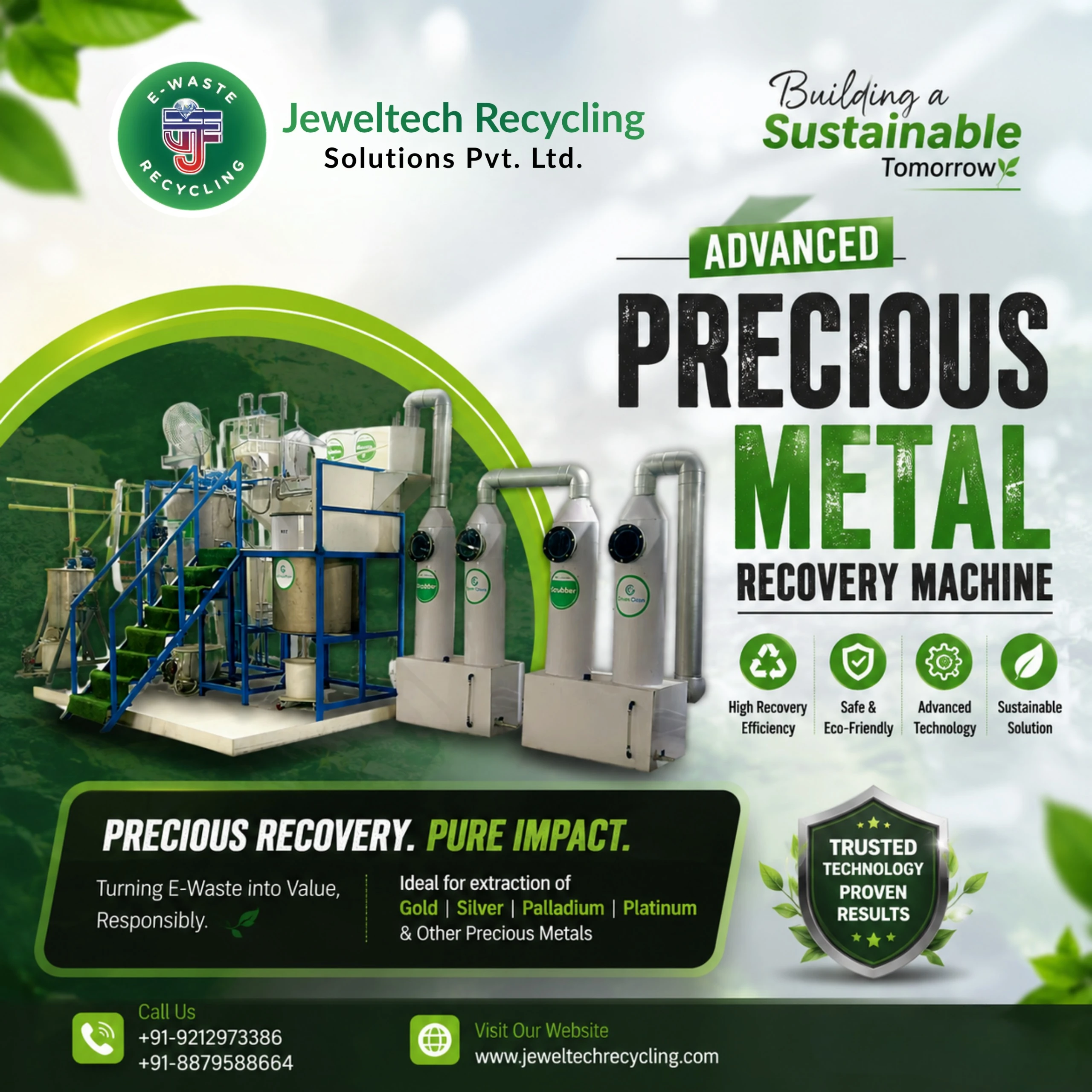
A PCB precious‑metal recovery plant is a facility that processes printed circuit boards (PCBs) from end‑of‑life electronics to extract valuable metals such as gold, silver and palladium, plus recoverable base metals like copper and tin. These plants combine mechanical, chemical and sometimes thermal processes to convert low‑value electronic waste into saleable metal products while managing hazardous residues and complying with environmental regulations. Below we explain the plant’s full workflow, its benefits, key risks and mitigation, and future developments shaping the industry.
What a PCB recovery plant does:
Receives and sorts e‑waste feedstock (PCBs from phones, computers, servers, consumer electronics).
Prepares and conditions boards (dismantling, de‑packaging).
Reduces material size (shredding, milling) to liberate metal particles.
Concentrates metal fractions using physical separation.
Extracts metals via hydrometallurgical or pyrometallurgical routes.
Treats effluents, captures emissions, and manages hazardous residues.
Refines and packages recovered metals for sale or further refining.
Plant layout and core modules:
Receiving & Sorting Area: weighed intake, quarantine for hazardous items, manual dismantling benches, component removal station.
Mechanical Processing: shredders, granulators, mills, trammels, and vibrating screens for size classification.
Physical Separation: magnetic separators, eddy current separators, density separators, air classifiers to concentrate metal‑rich fractions.
Hydrometallurgical Suite: leaching tanks (with controlled heating and agitation), filtration units, solvent extraction or ion‑exchange columns, electrowinning cells, neutralization/effluent tanks.
Pyrometallurgical Line (optional): smelter/furnace, off‑gas treatment (bag filters, scrubbers), slag handling.
Effluent & Emission Control: chemical neutralization, precipitation tanks, sludge dewatering, wastewater treatment (MBR/ETP), scrubbers for flue gases.
Laboratory & QC: assay lab for feed and intermediate testing, QA/QC, sample archive.
Utilities & Safety: acid storage and dosing, ventilation, fume hoods, PPE stations, fire suppression.
Detailed process flow (step‑by‑step):
Collection and Triage
Source separation (servers, telecom boards, consumer PCBs) to maximize value.
Remove batteries, CRTs, large capacitors, and hazardous modules.
Manual Dismantling and Pre‑treatment
Remove large metal parts and connectors; de solder assemblies when needed.
Segregate high‑value components (gold fingers, connector blocks) for direct processing.
Mechanical Size Reduction
Shredding/granulation to <10–20 mm (or process‑dependent) to liberate metals.
Milling for finer liberation ahead of chemical steps.
Physical Concentration
Magnetic separation removes ferrous metals.
Eddy current separates non‑ferrous metallic fractions from plastics.
Density separation (sink/floats) concentrates heavy metal‑bearing particles.
Screening and air classification produce size‑graded streams ready for leaching or smelting.
Hydrometallurgical Extraction (common route)
Pre‑treatment: acid washes or oxidizing pre‑leach to remove base metals or coatings.
Leaching: dissolve precious metals from concentrates using controlled reagents (examples: aqua regia for gold, thiosulfate/thiourea alternatives, H2SO4/H2O2 for copper).
Solid‑liquid separation: filter leachates to remove solids.
Metal separation: solvent extraction, ion exchange, or selective precipitation isolates individual metals.
Recovery: electrowinning or chemical precipitation yields metal powders/slimes for refining.
Pyrometallurgical Recovery (alternative/parallel)
Smelting concentrates in controlled furnaces to produce bullion and slag.
Gas cleaning systems (bag filters, wet/dry scrubbers) to capture particulates and acid gases.
Slag may be reprocessed to recover entrained precious metals.
Effluent and Residue Management
Neutralize spent acids, precipitate heavy metals, dewater sludges.
Treat wastewater to meet discharge standards or recycle within the process.
Store and dispose hazardous residues per local regulations; consider secure toll/refining partnerships.
Refining & Sale
Refine recovered slimes/bullion to marketable purity (often via downstream refiners).
Assay and certify product for sale to metal traders or refiners.
Key equipment and control systems:
Automated shredders and granulizers with selectable screen sizes.
Eddy current separators and density tables for high recovery efficiency.
Closed leach reactors with temperature, pH, and redox control.
Solvent‑extraction/contactors and ion‑exchange systems.
Electrowinning rectifiers and cells sized to throughput.
Centralized SCADA/PLC control for process automation, safety interlocks, and data logging.
Laboratory ICP/OES or AAS for accurate metal assays.
Benefits of running a PCB recovery plant
Environmental benefits:
Reduces mineral extraction pressure by returning metals to the circular economy.
Prevents hazardous substances from leaching into soil and water.
Lowers greenhouse gas and energy footprints versus primary metal production.
Economic benefits:
Revenue from recovered precious metals can be a major profit center.
Recovering base metals (copper, tin) provides steady, lower‑risk income.
Local processing captures value lost through export of untreated e‑waste.
Regulatory, social and business benefits:
Enables compliance with EPR and waste‑management regulations.
Strengthens corporate sustainability credentials and CSR claims.
Creates skilled local jobs and industrial capability.
Operational advantages:
Higher, predictable recovery rates using controlled industrial processes.
Easier certification and buyer acceptance for refined products.
Better workplace safety and lower community exposure compared with informal processing.
Risks and mitigation:
Chemical hazards: store and handle acids in bunded areas, train staff, use PPE, create SOPs.
Air emissions and dioxins: avoid open burning, use enclosed smelters and efficient scrubbers, continuous emissions monitoring.
Wastewater and sludge: install ETP/MBR, recycle process water, contract licensed hazardous‑waste handlers.
Regulatory noncompliance: obtain necessary environmental clearances, maintain records for EPR audits.
Market volatility: use diversified metal recovery, tolling/refining contracts to stabilize income.
Economics and performance indicators to monitor:
Feed grade (g Au/kg, g Pd/kg, % Cu by weight).
Throughput (tons/day) and uptime.
Recovery rate by metal (%).
Reagent consumption per ton and operating cost per kg recovered.
Effluent quality (COD, heavy metals) and emission levels.
Payback period and ROI for plant investment.
Future trends shaping PCB recovery plants:
Greener chemistries: wider adoption of non‑toxic leachants (thiosulfate, recyclable ionic liquids) and closed reagent loops.
Automation & AI: process optimization with real‑time monitoring, machine vision sorting, and predictive maintenance.
Modular & decentralized plants: lower‑capex, plug‑and‑play units for regional processors and aggregators.
Circular design incentives: product design for disassembly will increase feedstock quality and facilitate recovery.
Policy drivers: stricter EPR enforcement, import/export controls on e‑waste, and incentives for domestic recycling will boost demand.
Hybrid processes: combining bioleaching, hydrometallurgy and selective smelting for higher yields with lower environmental impact.
How to start or upgrade a plant:
Perform a detailed feedstock assay and market study.
Pilot a modular line to validate recovery rates and reagents.
Priorities waste‑treatment and emissions control in CAPEX planning.
Implement QA/QC and traceability (batch records, assays).
Build relationships with certified refiners or offtake partners.
Train staff on SOPs, safety and chemical handling.
Conclusion:
A well‑designed PCB precious‑metal recovery plant converts e‑waste into valuable resources while reducing environmental harm and supporting circular‑economy goals. Technical choices—mechanical concentration, hydrometallurgy, smelting—depend on feed composition, scale, and local regulations

In today’s digital world, electronic devices have become an essential part of da...
Read More
The rapid growth of technology has transformed industries and daily life, but it...
Read More
Industrial machines are the backbone of manufacturing, recycling, construction,...
Read More
The recycling industry is growing rapidly as businesses and industries focus mor...
Read More
The recycling industry has become one of the most important sectors for sustaina...
Read More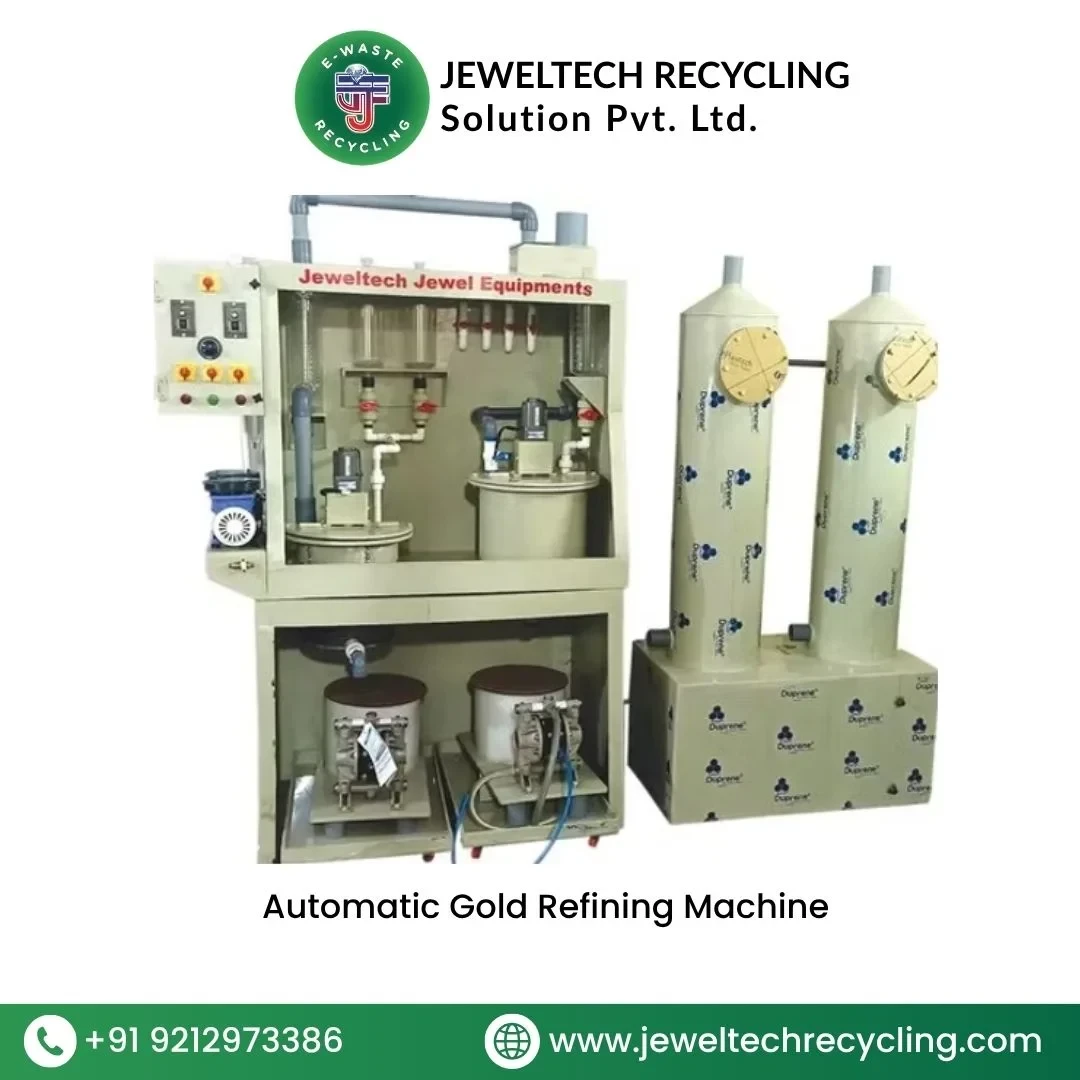
Recycling has become an essential part of modern industrial operations. As indus...
Read More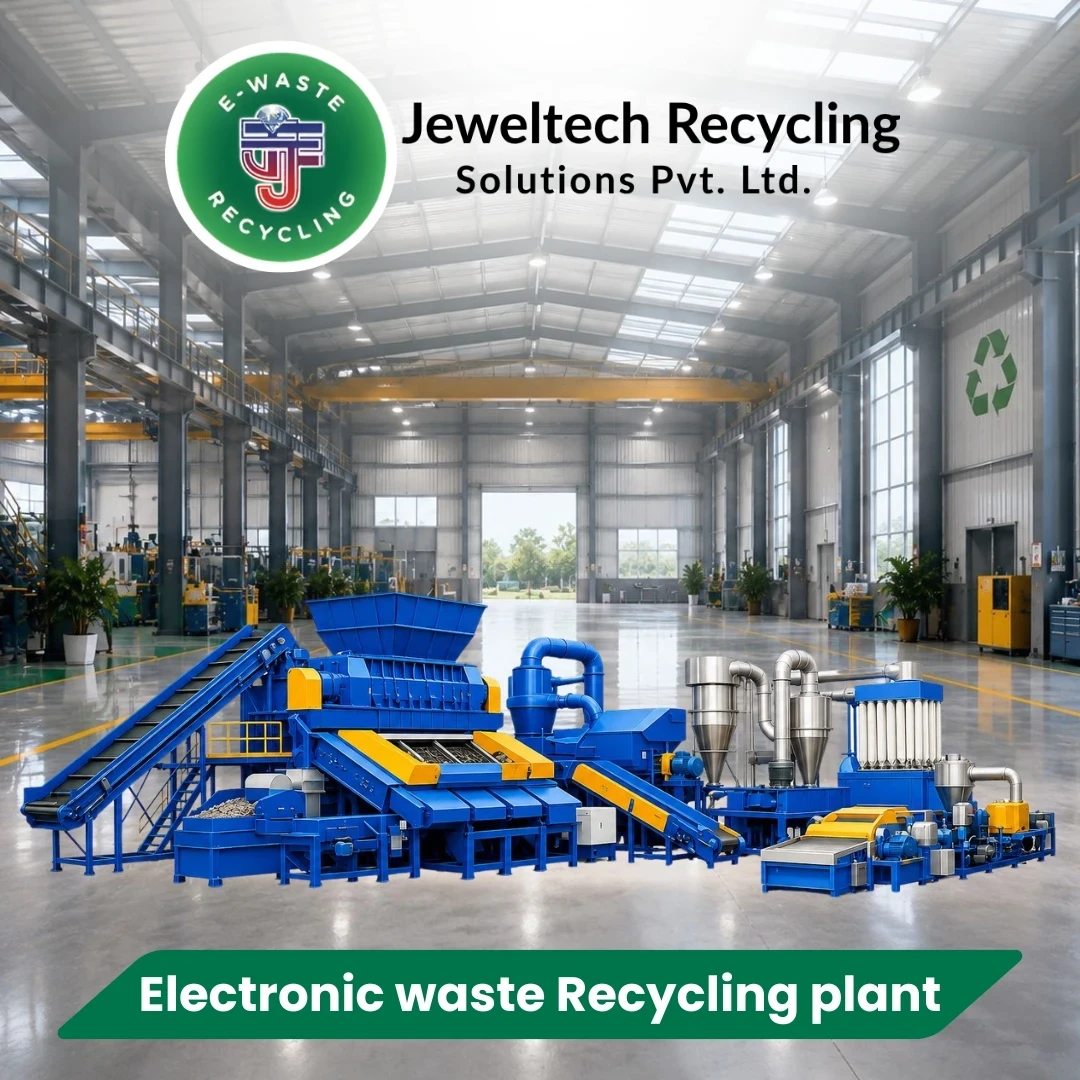
If you’re investing in an E waste recycling machine or planning a full E waste r...
Read MoreCopyright© 2026 Jeweltech Recycling Solutions Pvt. Ltd., All Rights Reserved.